Génération

Génération has arrived at the offices of Quai Voltaire/La Table Ronde, ready for Publication Day on January 12th. Huge thanks to everyone involved, especially Cécile Arnaud, not only for her superb translation, but also for translating “on the hoof” during my recent visit; to Anna-Lucie, who accompanied me from meeting to meeting, and thought of everything; and of course to Alice Deon, my seeming-tireless editor, and hostess extraordinaire.

dsc_0351

Ampersand Interview

photo-on-2016-11-21-at-08-37Based in Florence, The Sigh Press publishes a quarterly online literary journal for writers of English who have spent time in Tuscany, which I did recently, as Writer-in-Residence with St. Mark’s Cultural Association. It was an honour to be invited to answer some thought-provoking questions for their Ampersand interview series, and the perfect excuse to ramble about tree-houses, bees and whatnot.
Florence Reading

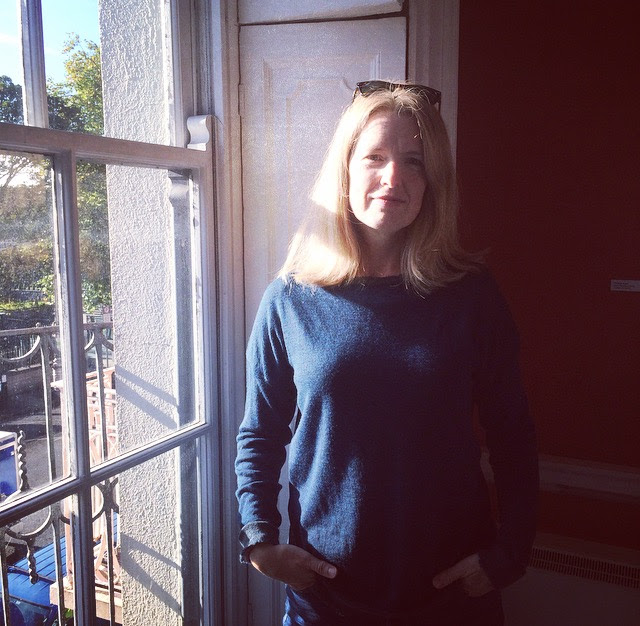
A few pics, courtesy of The Florence Writers Facebook page, to counter a grey Monday morning. Thanks to Mundy and St. Mark’s English Church for hosting; to the lovely, attentive group who asked great questions; to Lori for a comprehensive and generous introduction; and to Bob for the photos.

Florence Report

There’s so much, it’s difficult to know where to begin, and what to leave in/take out – very much like writing. Here are a few photos, just for starters (hover over pic for captions).

Some feet.

And just one more…dsc_0265

A History of Running Away

dsc_0155
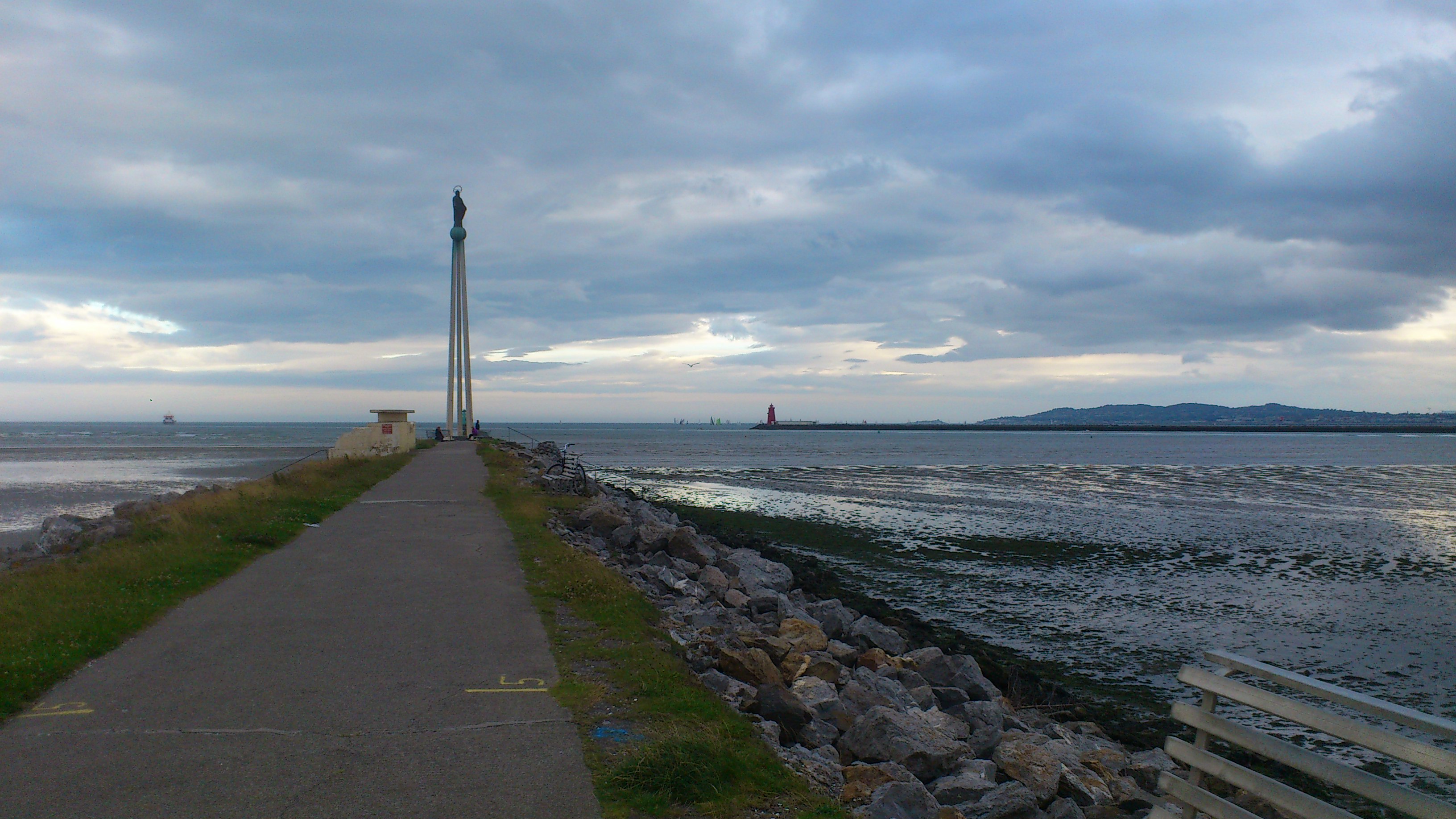
The Bull Wall, where part of the book is set.

Book announcements are gratifying because they give a sense of completion to the thing (even if that’s not strictly the case, since edits are ongoing). The other handy aspect of a press release is that it explains what the book is about in a nice, succinct paragraph, something which feels very far away for most, if not the entire, writing process. So, straight from The Bookseller:

A History of Running Away follows three women at different stages of their lives: Jasmine, a female boxer who falls foul of a ban on the sport in 1980s Ireland; a gynaecologist in present-day Dublin, who is increasingly frustrated by the constitutional ban on abortion; and Ali, in Maryland, whose mother has recently died and escapes from the grandparents she didn’t know she had. (The Bookseller)

And the ‘elevator pitch’: A History of Running Away is about “running away, growing up and finding out who you are”.


How do I love thee, September?

DSC_0174DSC_0177

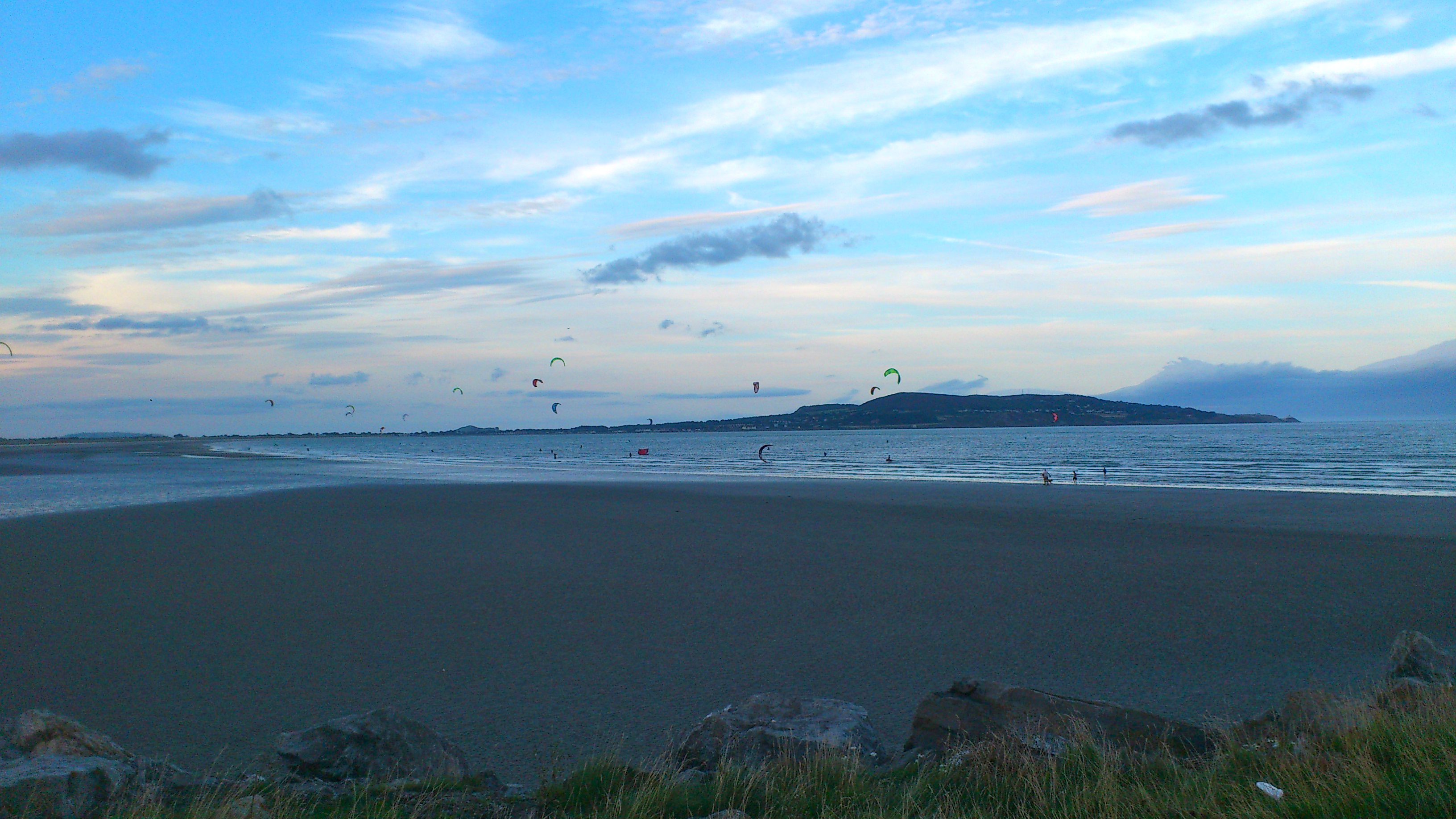
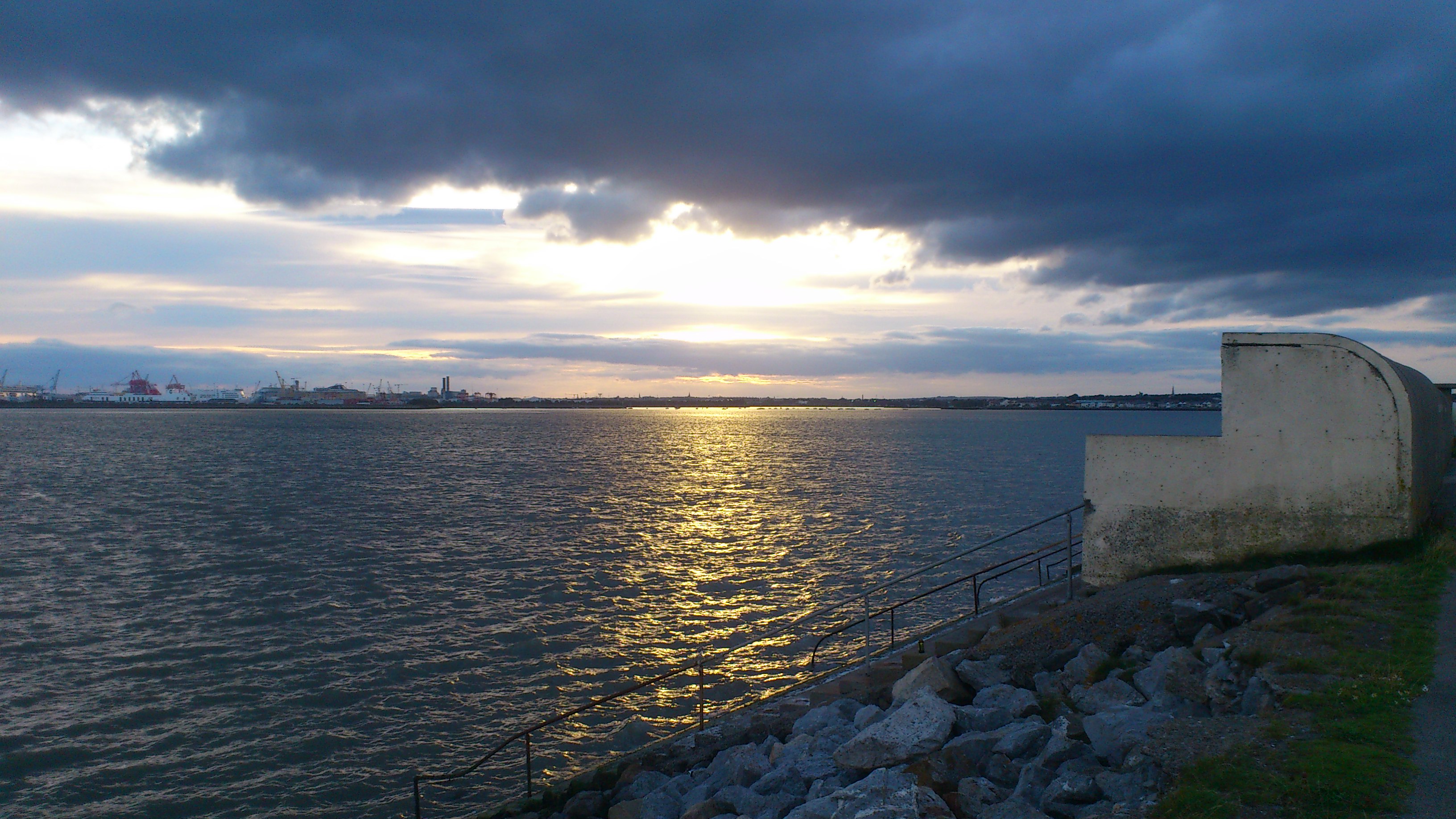
Dollymount was in a mellow mood last night, as was I as I reflected that there was but one more day of school holidays left. Over the years I’ve learned — the hard way that I do all my learning — that I’ll get nothing done for the duration, and that the tv and computer are not my enemy. But I’m looking forward to getting back to work. First on the agenda will be edits on novel two, A Difficult History. Then there’s a residency in Florence to look forward to. There’s a new novel in progress. There’s an itch to write some non-fiction.

Let me count the ways.

A Creative Manifesto


rafabc
ABC: Always Be Creating

Like most writers at some point do, I’ve been thinking about the publicity side of writing. For Generation, I was delighted to do the events the publisher lined up leading up to and around publication, and a few others. It was fun meeting readers and other authors and talking shop. But – there it is – I quickly realised that going to events takes up a lot of time, time which might well be better spent writing, or ruminating, or cleaning the house, or building things with lego. It’s also exciting, in the sense of stirring one up, which is not, in my experience, conducive to reflective work.

How much time and effort does an author need to put in to publicity? Sometimes a book is so heavily promoted that it just turns me off. Or, I succumb, only to discover that it doesn’t nearly live up to the hype, which makes me resentful, and I don’t want my books to fall into this category. But I’m too new at this game to know whether it’s ok to sit back from all that busy self-promotion, or not. How much difference does it make to book sales? Does it help one’s author profile, whatever that is, and does it matter, and to whom? Is it just an ego thing – I’m on a stage, look at me, listen to me? Or, does it make all the difference to the public’s perception of the book? I’ve signed up for a Promoting Your Book day at the Irish Writers’ Centre because I want to hear others’ thoughts on these questions.

What I do know is that book promotion is not the most important aspect of writing. I haven’t read read James Kelman (I plan to start with his new one, Dirt Road, once I get over my pique for not being the one who came up with the idea of writing about immigrants in the American South featuring Zydeco music), but I’ll give him the last word on the subject:

Balancing this, his young central character Murdo performs music as a collaborative act. Never competing for applause or chasing monetary reward. Might this be his (Kelman’s) own creative manifesto? “Well that’s a good way of putting it, as a creative manifesto.” Then he tells a story. “There’s a great quotation by a Texas musician. He’s asked why he’s never made any dough – and he’s a good name, this guy – his response to the question of why he’s still scrabbling around, he said what he’d come to realise was, ‘I want to live my life doing this.’” There is a pause. “That’s how it equates for myself.”’ (From Alan Bett’s The Skinny interview)